
In this edition:
OceanICU is a five-year project that seeks to gain a new understanding of the biological carbon pump and its processes to provide fundamental knowledge and tools to help policy makers, regulators and Ocean industry—fishing and mining, along with the wider blue economy—manage and understand the impact of their actions on Ocean carbon. This will ultimately lead to a better approach for addressing climate change in alignment with the EU Green Deal to reduce the net emissions of greenhouse gases to Zero by 2050.
Welcome Note
Hello Everyone,
As we are going to press, we are finalising and submitting a long series of deliverables, one from each work package summarising their progress to date. There is some incredible science that is happening in OceanICU, and it’s amazing to see it all described. I’d like to thank all of our consortium members for the contributions they have made. Once the deliverables are accepted, they will be available on the project website.
In April, we had our Third Annual Meeting, which was an exciting festival of OceanICU achievements interspersed with some strategic discussions around the evolution of the European ocean science landscape and exploration of the project’s potential for strong impact and how best to ensure it. We began our impact process by attending the SBSTA event in Bonn to showcase some of the project activities (see below). And it is possible that we may also engage strongly with the COP later this year in Turkey, as it may have a strong ocean theme. In addition, we are planning an event we are calling European Ocean Carbon Summit for next May to showcase project activities and to bring together other Horizon Europe projects investigating ocean carbon to jointly create a report describing the summarising ambitions and achievements in ocean sciences and to recommend to our funders what the key research priorities are for the future. Read more about it below.
As for now, I am sure many of us within the OceanICU consortium and our wider community are ready for a well deserved summer break. I hope you all enjoy it.
Richard Sanders,
OceanICU Project Coordinator
NORCE


OceanICU Third Annual Meeting 2026

The OceanICU consortium gathered in Bergen, Norway for the Third Annual Meeting under a volatile springtime sky. With three project years completed now, the agenda focussed on sharing exciting results and creating the right pathways towards impact across the science, policy, industry and wider society communities.
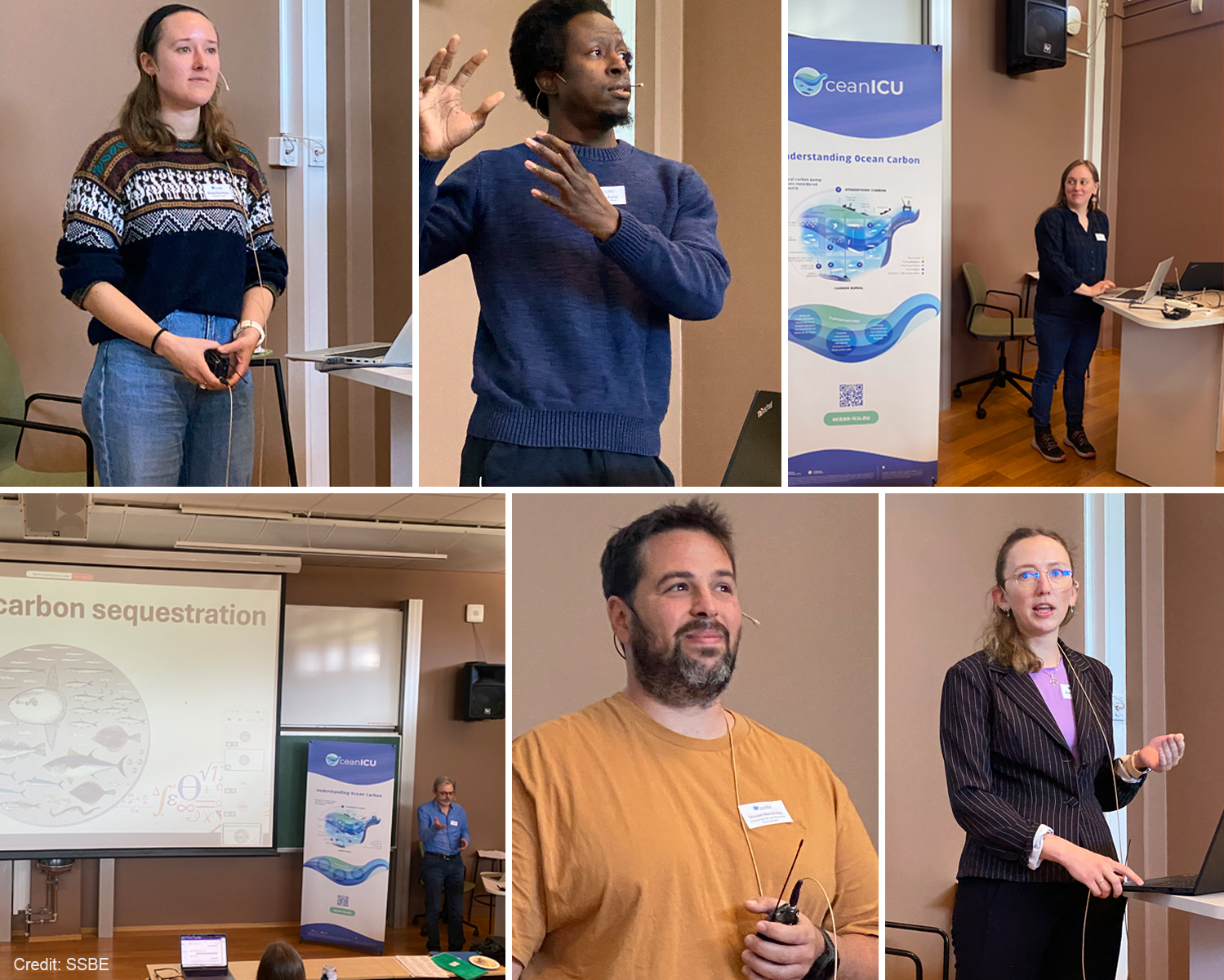
The three day event featured work package updates, presentations from the consortium’s early career researchers, poster talks and workshops focussed on efforts to connect the project to wider society, as well as tips and tricks for writing policy briefs and developing proposals in response to European funding calls.

How Whale Research Helps Us Understand Ocean Carbon
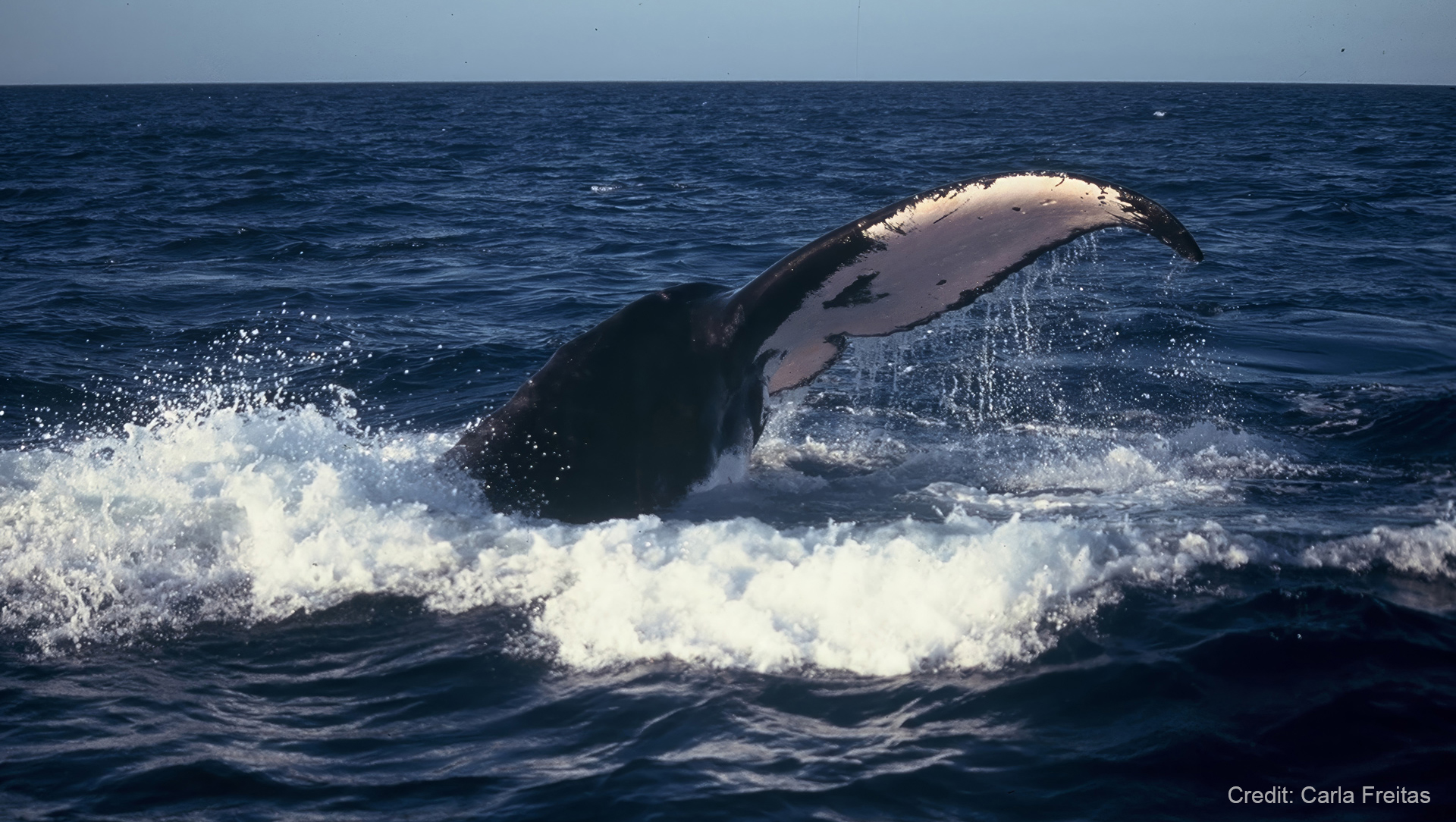
Whales play an important role in the ocean carbon cycle by recycling nutrients that fuel primary production. Carla Freitas (IMR) studied the diving behaviour of common minke whales and fin whales at the coast of Northern Norway and the impact of whale-released nutrients on ocean primary production. Results from this research have been published in two research articles. In this interview blog post, she shares the key outcomes of this work and next steps in planned research to provide a more complete understanding of how whales contribute to long-term ocean carbon storage.
Several important papers were published this past quarter in support of OceanICU’s investigations. Congratulations to all the authors.
Respiration Rates in the Global Mesopelagic Ocean
Respiration in the mesopelagic ocean modulates the biological carbon pump, a group of processes that transport carbon from the sunlit ocean—where it is fixed by phytoplankton—down into its interior. Being such a key biogeochemical process, recent efforts have contributed to improve its quantification (both regionally and globally), but we still lack a detailed understanding of its spatial variability and drivers. Recently published in AGU’s Geophysical Research Letters, this paper, by OceanICU scientists Markel Gómez Letona and Xosé Antón Álvarez-Salgado (LGO-CSIC), addresses this knowledge gap.
Estimating the Contribution of the Irish Sea Fish Community to Carbon Sink Potential
This new paper published in the ICES Journal of Marine Science by OceanICU consortium members Paula Silva-Viladomiu (MI), Jacob Bentley and Angela Martin (NE), et al. provides a very interesting first quantitative assessment and early insights into the relationship between fish species and the biological carbon sink in a shelf ecosystem.
Complexity in Biogeochemical Models: Consequences for the Biological Carbon Pump
Ocean biogeochemical models underpin projections of future marine ecosystem change, including anticipated shifts in the biological carbon pump (BCP) and broader biogeochemical cycles. In this new paper, by Alessandro Tagliabue (UL), Marion Gehlen (CEA) and co-authors, five distinct PISCES configurations were evaluated, of varying complexity that differ in their number of PFTs, growth formulations, imposed nutrient limitations, and the representation of nutrient cycling.

UNFCCC SBSTA 64
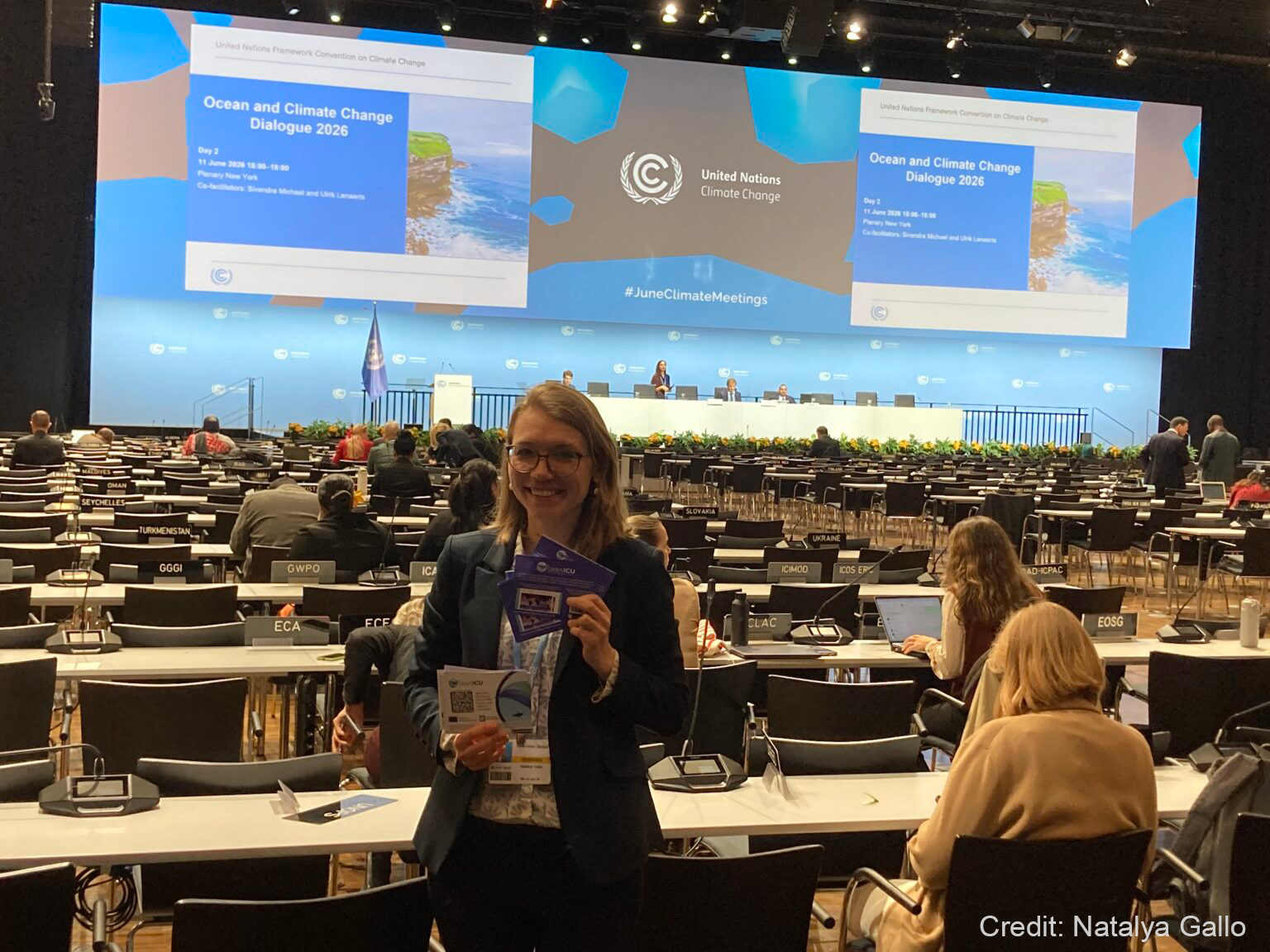
Consortium member Natalya Gallo (NORCE) attended the SBSTA 64 Negotiations in Bonn, Germany, where she introduced stakeholders to OceanICU’s Decision Support Tool and solicited feedback of its prototype in support of the project’s Ocean and Climate Policy impact efforts.
European Ocean Carbon Summit
Save the Date: 26 May 2027
Brussels, Belgium
OceanICU is leading the charge on a new campaign among a coalition of Horizon Europe projects investigating ocean carbon to summarise the collective ambitions and results of the EU investment portfolio and make recommendations for future funding actions. This exercise will culminate in a report which will launch at an event in Brussels, both of which are currently in the planning stages. Please stay tuned for more information and early registration coming soon.
Project Deliverables
There has been an impressive amount of work produced over the past three and half years since OceanICU launched, in several cases building on the life work of many venerated Ocean scientists. These reports are now available on our website and the catalogue will grow as more reports are reviewed and approved.

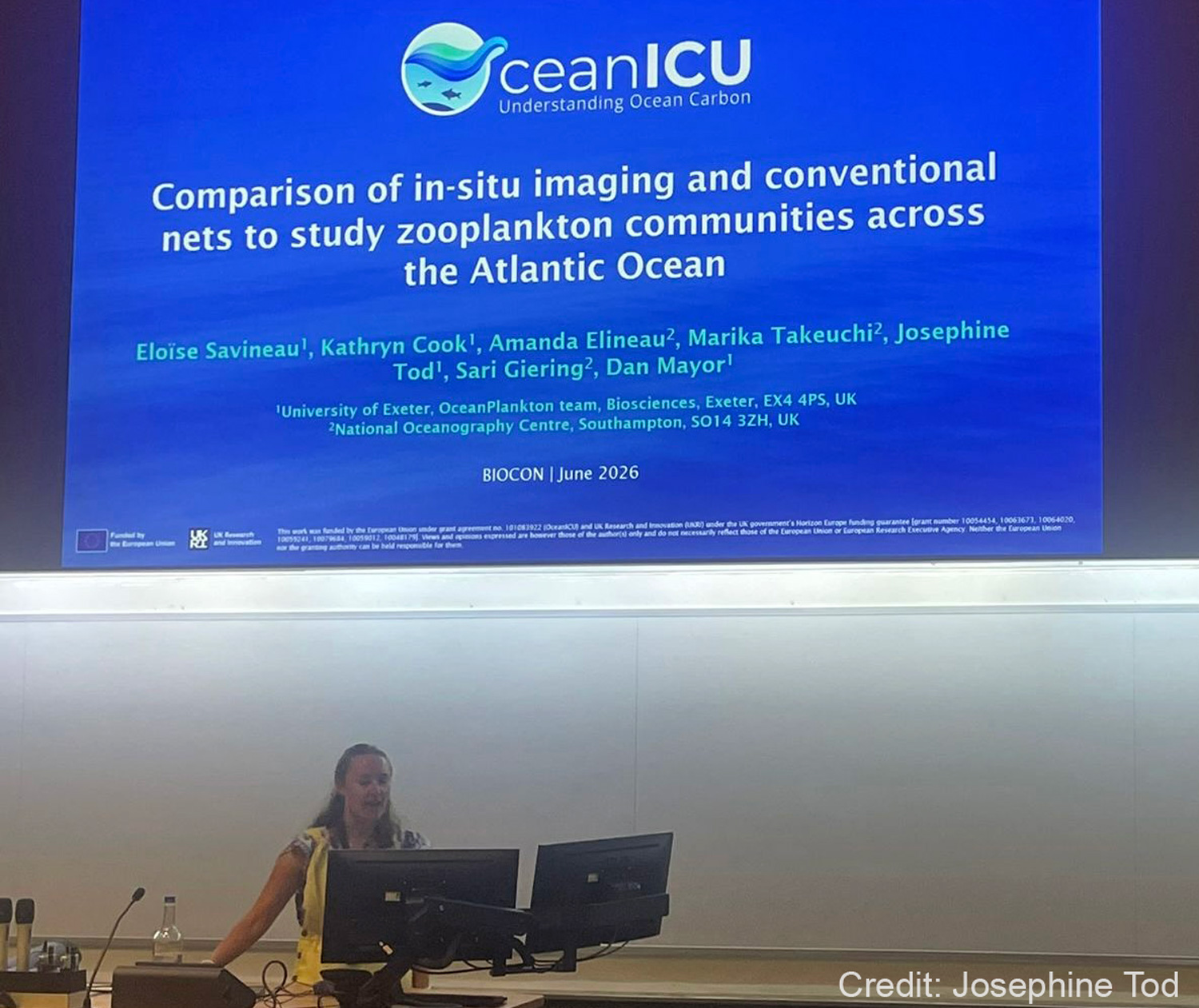
Eloïse Savineau (EXE) shared her OceanICU work in a presentation titled Comparison of in-situ imaging and conventional nets to study zooplankton communities across the Atlantic Ocean during the BIOCON conference in Exeter.

Lund, Sweden, 15-17 September
European Ocean Carbon Summit
Brussels, Belgium, 26 May 2027
12th International Carbon Dioxide Conference
University of Exeter, United Kingdom, 21-25 June 2027